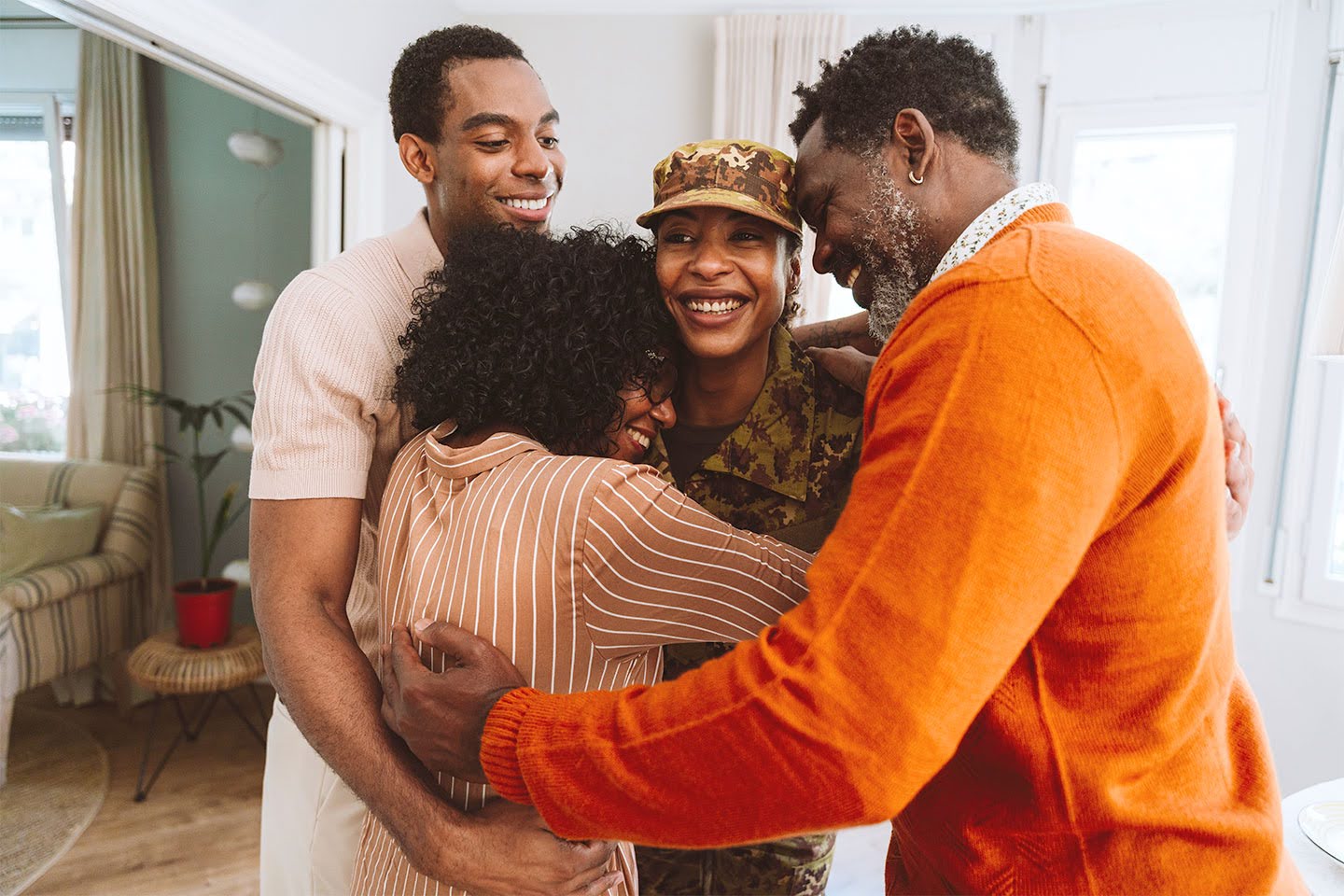
Coming Home: Navigating the Emotional Impact of Leaving the Military
For many veterans, the journey doesn’t end when they return home; it changes. Transitioning from military to civilian life can be one of the most emotionally complex experiences a person goes through. The uniform comes off, but the weight of service often lingers in ways that others might not see.
Whether you served for four years or twenty, adjusting to a new normal can stir up feelings of disconnection, loss, and uncertainty. This article offers compassionate guidance for veterans and the families who walk beside them as they navigate life after service.
Understanding the Transition: More than Just a Career Shift
Leaving the military is not simply about changing jobs. It can feel like stepping out of a world that shaped your identity, routines, values, and even your relationships. Veterans often face:
- Loss of structure and routine
The military lifestyle provides a clear rhythm — tasks, duties, ranks, rules. Civilian life may feel unpredictable in comparison. - A shift in identity
Many veterans ask, “Who am I now?” The transition may bring a sense of purposelessness or a struggle to define your role outside of service. - Emotional disconnection
After experiencing high-stress environments or combat, it’s common to feel emotionally distant from others who haven't shared similar experiences. - Anxiety and hypervigilance
Adapting to everyday civilian settings — traffic, crowds, casual conversations — can trigger stress or discomfort. - Depression, PTSD, or survivor’s guilt
For some, unresolved trauma or grief resurfaces during this quieter phase, especially when there's less distraction or mission focus.
Unique Struggles for Men and Women
Both men and women face these challenges, but often in different ways:
Men may feel intense pressure to “have it together,” avoid appearing vulnerable, or downplay emotional pain. This can make seeking support feel like a personal failure, even when it’s the most courageous thing to do.
Women veterans often face under-recognized service or dual-role strain, managing caregiving responsibilities while processing their own transition. Some also carry the weight of military sexual trauma or gender-based discrimination, further complicating their mental health journey.
Recognizing these differences allows space for more personalized healing — and validates the wide range of emotions that may come up.
Breaking the Stigma: Getting Support Is Strength, Not Weakness
Military culture often emphasizes toughness and self-reliance. While those traits serve well in service, they can sometimes block veterans from acknowledging pain or reaching out for help.
Healing starts with understanding that asking for help is not a weakness; it’s a powerful and brave step forward.
Mental health professionals, including many who specialize in veteran care, understand these complexities. They offer a safe space to unpack emotions, rebuild identity, and move toward peace and purpose.
What Can Help During the Transition?
Here are a few practical and emotional resources that support the path forward:
Connect with Others Who Understand
- Veterans' support groups and peer networks
- Online communities or local meetups
Seek Professional Mental Health Support
- Therapists specializing in PTSD, trauma, anxiety, and transition
- VA, nonprofits, and private care providers like Balance Treatment
- Options: onsite group, or tele-therapy
Rebuild Structure and Routine
- Regular sleep, meals, and activity
- Goal-setting to create a sense of accomplishment
- Tools like planners or apps to track progress
Explore New Sources of Purpose
- Education, retraining, or career planning
- Mentoring, volunteering, or service-based roles
- Reconnecting with creative interests
Care for Your Body and Mind
- Physical movement or gentle exercise
- Mindful eating and hydration
- Meditation or breathing techniques for stress relief
- Reducing substance use as a coping method
Involve Your Family in the Healing Process
- Share your needs and boundaries
- Invite loved ones to therapy or support sessions
- Foster understanding through open communication
For Families and Loved Ones
- Be patient, even when things don’t make sense
- Offer support without pressure
- Encourage but don’t push therapy
- Practice empathy and listen without judgment
Your support matters more than you may realize. Transitions aren’t just for veterans — they ripple out to partners, children, and close friends. Above all, let them know they are not alone.
You’re Not Alone — Healing Is Possible
Coming home doesn’t always feel like home at first. But with support, understanding, and time, it can become a place of safety, growth, and renewed purpose.
Healing is a step forward, not a sign of weakness.
Self-care isn’t selfish; it’s healthy living.
If you or a loved one is facing the emotional weight of transitioning out of military life, professional help can make all the difference. At Balance Treatment Center, our team is here to guide you through the next chapter with compassion and care.