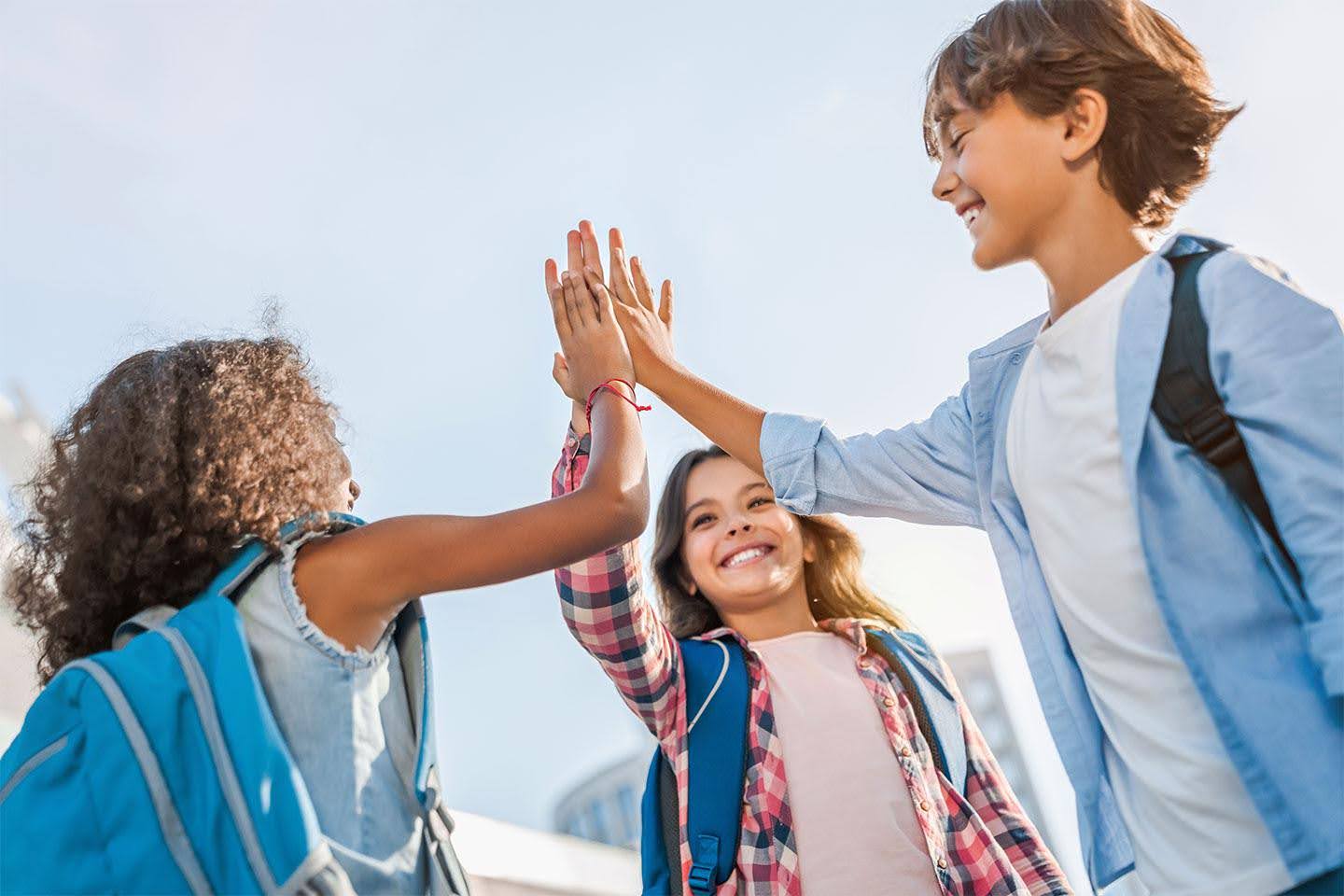
Nurturing Empathy and Kindness in Children
Helping Kids Grow into Emotionally Aware, Compassionate Humans
Introduction
In today’s fast-moving world, kindness can feel like a quiet whisper, and empathy, a skill we assume will come naturally. But for children, both are learned through connection, repetition, and the emotional tone we set at home and in the classroom.
Fostering empathy and kindness in children isn’t just about teaching “good behavior.” It’s about raising human beings who can understand others, manage their own feelings, and build strong, healthy relationships. When kids learn to care about how others feel, and know that their own feelings matter too, they grow into not only kinder individuals but also more confident, emotionally secure, and socially aware.
Kindness and empathy are closely linked: empathy helps a child understand another person’s feelings, and kindness is how they often respond. Together, they shape how children relate to the world around them—from friendships to family dynamics to how they show up in their communities.
Why Empathy and Kindness Are So Important in Childhood
Childhood is more than just a time of learning ABCs and 123s; it's when the foundation of emotional and social development is laid. Empathy and kindness are essential building blocks of that foundation.
When children learn to recognize and care about how others feel, they're better able to form meaningful connections, resolve conflicts peacefully, and collaborate with others. These aren’t just “nice to have” qualities; they're crucial life skills that influence everything from friendships and family relationships to how children navigate school and, eventually, the workplace.
Research shows that children who develop strong empathy are more likely to engage in prosocial behavior, helping, sharing, including others, and are less likely to exhibit bullying or aggressive tendencies. Acts of kindness, no matter how small, help boost self-esteem, encourage a sense of purpose, and promote emotional resilience.
Empathy also helps children understand themselves better. When they’re taught to name their emotions, listen to others, and respond with compassion, they learn that all feelings, such as joy, sadness, and frustration, are valid and manageable. Over time, this emotional awareness supports healthier mental well-being and stronger interpersonal skills.
How Children Learn Empathy
Empathy doesn’t happen overnight; it’s nurtured through everyday interactions, guided reflection, and the emotional climate children grow up in. Kids learn empathy the same way they learn to speak or ride a bike: by watching, practicing, and feeling safe enough to try.
One of the most powerful ways children learn empathy is through modeling. When adults show genuine care, listen attentively, and respond with compassion, children take note. A parent comforting a sibling, a teacher pausing to ask how a child is feeling, or a caregiver acknowledging a tough moment. These small acts become big lessons.
Children also learn empathy through naming and understanding emotions—their own and others’. When we help a child recognize that “you’re feeling frustrated because your tower fell,” we’re teaching emotional awareness. Over time, that awareness turns into the ability to see how someone else might feel in a similar moment.
Storytelling and play are also powerful teachers. When reading books, children step into someone else’s shoes, experiencing adventures, struggles, and joys from another point of view. Pretend play encourages perspective-taking and cooperation, building emotional muscles in a fun, natural way.
And perhaps most importantly, empathy grows in relationships where emotions are welcomed, not shut down. When children feel understood and accepted, even when they’re upset or overwhelmed, they become more capable of offering that same understanding to others.
Everyday Ways Parents Can Foster Kindness and Empathy
The good news is that you don’t need grand gestures or special training to help your child grow into a kind, empathetic person. It’s the little things, done consistently and with intention, that make the biggest impact.
1. Model Kindness in Action
Children are always watching. When you speak respectfully to others, offer help without being asked, or show patience in frustrating situations, you're giving your child a real-life example of kindness. Even how you treat yourself, talking kindly to yourself out loud after a mistake, can set the tone for how your child learns to treat others and themselves.
2. Name and Normalize Emotions
Help your child put words to what they’re feeling: “You seem really disappointed,” or “It looks like you’re proud of yourself.” By regularly identifying emotions, you teach your child that feelings are natural and manageable. This makes it easier for them to recognize those same emotions in others.
3. Practice Active Listening
When your child shares a story, no matter how small, listen with full attention. Get on their level, make eye contact, and reflect on what you hear. This simple act of being fully present teaches children that their feelings matter, and it builds the empathy they’ll extend to others.
4. Encourage Helping and Thoughtful Acts
Ask open-ended questions like, “How do you think your friend felt when that happened?” or “What could we do to help them feel better?” Give your child chances to practice kindness: writing a thank-you card, donating a toy, helping a sibling, or comforting a sad friend.
5. Share Stories that Spark Emotion
Books and movies that explore emotions and relationships can be incredible empathy builders. When children connect with characters who feel sadness, joy, fear, or courage, they begin to understand those feelings in themselves and others.
Try reading books like:
- “The Rabbit Listened” by Cori Doerrfeld (ages 3–7)
- “Have You Filled a Bucket Today?” by Carol McCloud (ages 4–8)
- “Last Stop on Market Street” by Matt de la Peña (ages 5–8)
- “Those Shoes” by Maribeth Boelts (ages 5–9)
Or watch movies together like:
- Inside Out (ages 6+)
- Wonder (ages 8+)
- Paddington (ages 6+)
Afterward, ask:
“How do you think that character felt?”
“What would you have done in that situation?”
These conversations help children practice perspective-taking in a safe, reflective way.
6. Celebrate Kindness (Not Just Achievements)
Acknowledge your child’s kind actions just like you would a good grade or sports win:
“I noticed how you helped your sister clean up. Thank you for being so thoughtful.” When kindness is valued, kids are more likely to repeat it.
When Kids Struggle with Empathy: Gentle Guidance for Growth
No child is empathetic all the time, and that’s okay. Empathy develops gradually and unevenly, especially as kids learn to manage their own big emotions. There will be days when your child is too tired, too overwhelmed, or just not tuned in. What matters most is how we guide them through those moments.
Instead of shaming or scolding when a child seems uncaring, pause and get curious. Ask questions like:
- “What were you feeling when that happened?”
- “What do you think your friend felt?”
- “What could you do next time to make things better?”
These kinds of questions encourage reflection rather than defensiveness, helping your child build emotional insight without fear of judgment.
You can also help by slowing things down. If your child grabs a toy or lashes out in frustration, take a breath and walk through the moment with them. Help them understand what happened, how others might have felt, and what a kinder choice might look like.
And always remember: kids learn best in safe, emotionally supportive environments. When they feel loved and understood, even in their messy moments, they become more capable of offering that same grace to others.
How the Balance Kids Program Supports Empathy and Kindness
At Balance Treatment, we understand that emotional growth happens through nurturing relationships, guidance, and practice. That’s why our Kids Program is built to support the development of core social-emotional skills—including empathy, kindness, cooperation, and emotional regulation.
In a safe, structured environment, children learn:
- How to recognize and express their feelings
- How to listen and respond to others with care
- How to manage frustration, anxiety, and peer conflict in healthy ways
- How to practice compassion, both toward themselves and others
Through play-based therapy, group interactions, and one-on-one support, kids begin to understand their own emotional world while learning how to connect meaningfully with the people around them.
Our goal is not just behavior management; it’s helping children become emotionally aware, kind, and resilient individuals who carry these skills into their families, classrooms, and communities.
Final Thoughts: Growing Kind Hearts, One Moment at a Time
Raising kind, empathetic children isn’t about getting it right every time. It’s about showing up with intention, modeling compassion, and creating space for kids to learn from both their successes and their stumbles. Every time you pause to listen, name an emotion, or celebrate a thoughtful act, you’re helping your child build emotional tools that will serve them for life.
Empathy and kindness are not just “nice traits”; they’re the roots of healthy relationships, emotional resilience, and meaningful community. And like any garden, they need tending. The good news is: you don’t have to do it alone. Healing happens together.
If your child is struggling with emotional expression, social connection, or behavior that feels hard to manage, the Balance Kids Program offers a compassionate space for growth and healing. Together, we can help children feel seen, heard, and supported as they learn to navigate the world with empathy, and lead with kindness.