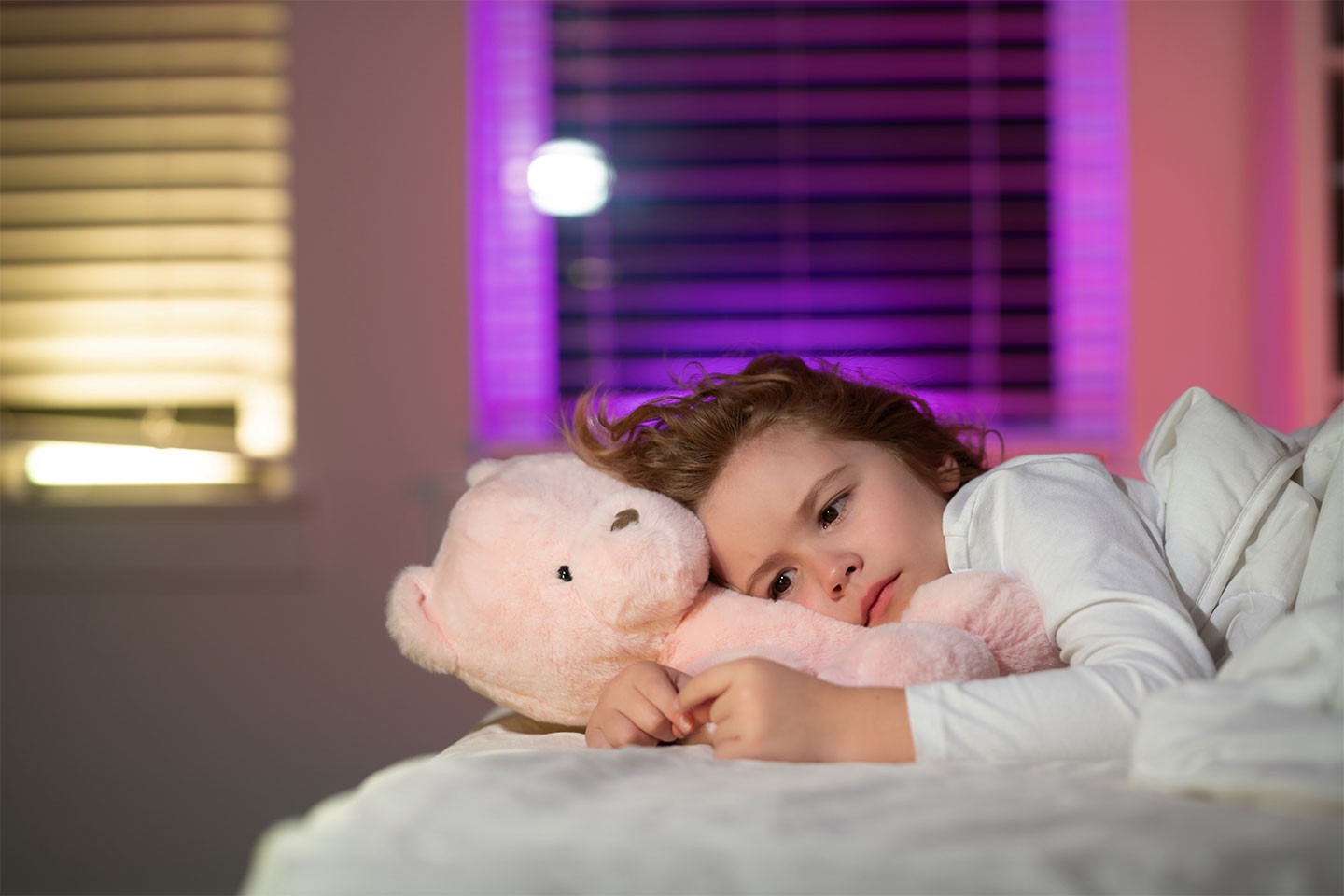
The Hidden Link: Sleep Disorders and Children’s Emotional Well-Being – What Every Parent Should Know
Sleep and emotional well-being are more connected than you might think.
WHY SLEEP MATTERS
Sleep isn’t just rest, it’s restoration. For children, a good night’s sleep fuels healthy brain development, emotional balance, learning, and even physical growth. But when sleep becomes disrupted, whether through bedtime struggles, nightmares, or chronic insomnia, it can take a serious toll on a child’s well-being.
Many families notice the early signs: morning meltdowns, trouble concentrating at school, irritability that seems to come out of nowhere. What they might not realize is that a child’s mental health is often closely tied to their sleep habits. Research shows that sleep disorders in children are strongly linked to anxiety, depression, and other emotional or behavioral challenges.
The good news? Sleep struggles are treatable, and families don’t have to navigate them alone.
COMMON SLEEP DISORDERS IN CHILDREN
While the occasional restless night is normal, ongoing sleep issues could point to an underlying disorder. Here are some of the most common childhood sleep problems:
- Insomnia
Difficulty falling asleep, staying asleep, or waking too early. Children may lie awake for hours or wake frequently throughout the night. - Obstructive Sleep Apnea (OSA)
Characterized by pauses in breathing due to airway blockage, often accompanied by loud snoring, gasping, or restless sleep. - Restless Legs Syndrome (RLS)
A neurological condition that causes uncomfortable leg sensations and an urge to move, particularly at night. - Night Terrors and Nightmares
Disturbing dreams or intense episodes of fear during sleep that can disrupt both the child’s rest and the household. - Delayed Sleep Phase Syndrome
A circadian rhythm disorder often seen in teens where the natural sleep-wake cycle shifts later, making it hard to fall asleep before midnight and wake up on time for school. - Behavioral Sleep Disorders
Resistance to going to bed, needing a parent present to fall asleep, or inconsistent bedtime routines, more common in toddlers and younger children.
SIGNS PARENTS SHOULDN’T IGNORE
It’s easy to dismiss sleep problems as a phase, especially when kids are growing, testing boundaries, or dealing with busy schedules. But certain patterns are worth a closer look.
Here are signs that your child’s sleep issues may be affecting their mental health or daily functioning:
- Daytime fatigue or frequent yawning, even after what seems like a full night’s sleep
- Irritability, mood swings, or emotional outbursts
- Difficulty focusing, trouble following instructions, or struggling in school
- Hyperactivity or impulsiveness, sometimes mistaken for ADHD
- Bedtime resistance, fear of sleeping alone, or frequent night waking
- Behavioral changes, such as withdrawing from activities or increased clinginess
- Frequent nightmares or night terrors that cause distress during the day
These behaviors may not seem sleep-related at first, but when kids aren’t sleeping well, it impacts their ability to regulate emotions, think clearly, and manage daily stress. Addressing sleep concerns early can often prevent more serious emotional or behavioral challenges from developing.
THE LINK BETWEEN SLEEP AND MENTAL HEALTH
Sleep and mental health form a two-way street. When one is disrupted, the other often follows.
Studies show that children with chronic sleep problems are at increased risk for mental health conditions such as:
- Anxiety – poor sleep can make worries feel bigger and harder to manage
- Depression – disrupted sleep may contribute to low mood, lack of motivation, or social withdrawal
- ADHD-like symptoms – including inattention, restlessness, and impulsivity
- Mood dysregulation – difficulty managing emotions, leading to irritability or emotional outbursts
Sleep is when the brain does its deepest emotional processing. REM sleep, in particular, plays a critical role in regulating mood and processing experiences. When that process is interrupted, children may wake up feeling more reactive, anxious, or overwhelmed.
What’s more, a vicious cycle can form: a child’s anxiety or emotional stress makes it harder to fall asleep… which then worsens the emotional challenges the next day. Over time, this cycle can affect academic performance, peer relationships, and family dynamics.
WHAT CAUSES SLEEP ISSUES IN KIDS?
There’s no single cause for sleep problems in children, often, it’s a mix of environmental, emotional, and biological factors. Understanding what might be interfering with your child’s sleep can help guide meaningful changes at home.
Here are some of the most common causes:
Excessive Screen Time
Phones, tablets, and TVs are a major culprit in modern sleep disruption. Screens emit blue light, which can interfere with the body’s natural production of melatonin, a hormone that signals it’s time to sleep. Plus, fast-paced shows, video games, and social media can overstimulate the brain and delay wind-down time.
Tip: Try turning off screens at least 60 minutes before bed and replacing them with calming activities like reading, drawing, or talking about the day.
Stress, Anxiety, or Emotional Overload
Children may not always have the words to describe their stress, but it often shows up at night. Worries about school, friendships, or family changes can surface when things get quiet.
Inconsistent Routines or Bedtime Resistance
Children thrive on predictability. Irregular bedtimes, skipped routines, or unclear boundaries can confuse the brain’s internal clock.
Biological and Developmental Changes
Teens experience a natural shift in their circadian rhythms, often feeling alert late at night and tired in the morning, a mismatch with early school schedules.
Medical Issues
Conditions like asthma, allergies, or sleep apnea can make restful sleep difficult and may require a pediatric evaluation.
STRATEGIES TO SUPPORT BETTER SLEEP
The good news: many childhood sleep issues can improve with a few consistent changes at home. These strategies aren’t about perfection, they’re about building a calming environment that helps your child feel safe, secure, and ready to rest.
Create a Consistent Bedtime Routine
A predictable wind-down routine (like bath, pajamas, story, bed) helps cue the body and mind that it’s time to sleep.
Limit Screen Time before Bed
Turn off screens at least one hour before bedtime and try quiet activities like:
- Reading
- Listening to calming music
- Drawing or journaling
- Breathing exercises or stretching
Make the Sleep Environment Calming
Cool, quiet, and dimly lit spaces work best. Add comfort items like a nightlight, white noise machine, or favorite stuffed animal.
Stick to a Sleep Schedule
A consistent wake-up and bedtime, even on weekends, helps reset the body’s natural rhythm.
Talk About Worries Earlier in the Evening
Encourage your child to share what’s on their mind before bedtime, so anxious thoughts don’t interfere with falling asleep.
Try Relaxation Techniques
Mindfulness, guided imagery, or gentle breathing exercises can help kids (and parents) settle down before bed.
Seek Help When Needed
If sleep problems persist or begin to affect daily functioning, don’t hesitate to reach out to a therapist, pediatrician, or sleep specialist.
WHEN TO SEEK PROFESSIONAL HELP
Consider speaking with a professional if your child is experiencing:
- Ongoing sleep disruption lasting more than a few weeks
- Snoring, gasping, or breathing issues during sleep
- Significant changes in mood, energy, or behavior
- Trouble waking up or staying awake at school
- Persistent fears, nightmares, or bedtime anxiety
- Resistance to going to bed despite consistent routines
A trained provider can help determine if your child’s sleep struggles are rooted in emotional stress, behavioral habits, or medical issues, and help build a plan for healing.
HOW THERAPY CAN HELP
Therapy doesn’t just treat mental health symptoms, it can also support healthy sleep habits.
At Balance Treatment, we recognize that emotional well-being and sleep are closely connected. Our therapists work with children and families to uncover the root causes of sleep disruptions, build healthy routines, and restore a sense of calm and safety at bedtime.
Therapeutic approaches may include:
- Talk or play therapy to explore stress, fear, or emotional challenges
- CBT for insomnia (CBT-I) especially effective for older children and teens
- Family therapy to create consistent and supportive routines
- Mindfulness tools that teach calming and self-regulation skills
- Parent coaching to set structure and boundaries with empathy
With the right support, children can sleep more soundly, and begin each day with renewed emotional strength.
FINAL THOUGHTS
Sleep is one of the most important foundations for your child’s emotional and physical well-being. When it’s disrupted, everything from schoolwork to social skills can suffer. But with understanding, structure, and the right support, things can improve, often more quickly than expected.
As a parent or caregiver, you’re not expected to have all the answers. What matters most is noticing the signs, asking questions, and knowing when to reach out for help. Because when your child sleeps better, your whole family feels better too.
If your child is struggling with sleep, mood, or behavior, you're not alone. Our team at Balance Treatment is here to help. Reach out today to learn more about our child and family therapy programs.