Undoing the Silence: A Personal Journey Through Anxiety and Depression
The Silent Struggle
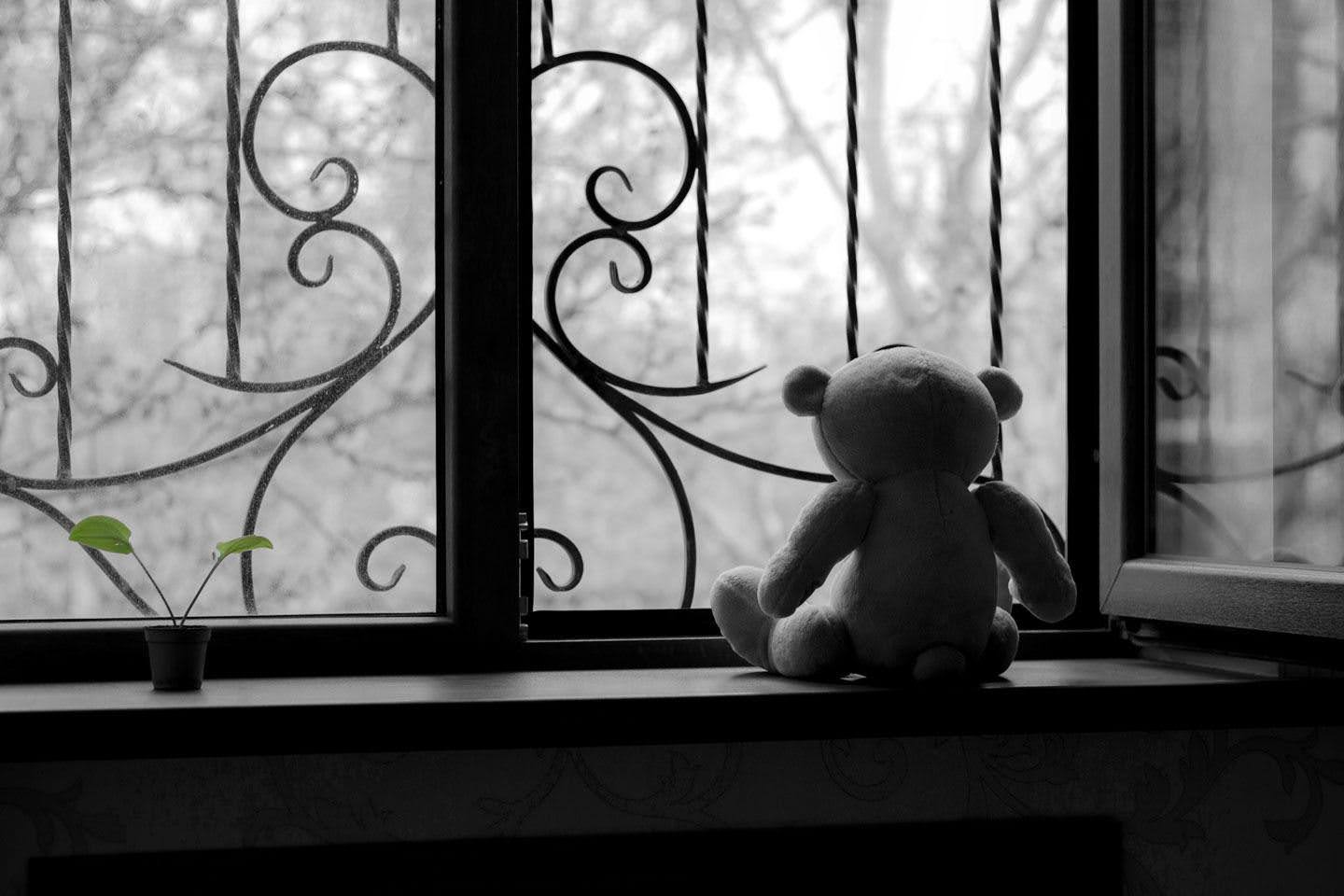
I don’t remember the exact day it started. Maybe it wasn’t just one moment, more like a slow fading. One morning I woke up and realized I didn’t feel much of anything. The world looked the same, but I didn’t feel part of it anymore.
I smiled when I had to, laughed when I could. But most of the time, I was just... getting through. Inside, I felt like I was quietly disappearing. Everything felt heavy, my thoughts, my body, even the idea of getting through the day. I began to pull away from people, not because I didn’t care, but because being around others felt overwhelming. Conversations drained me. Social situations made me uneasy. I’d overthink every little thing I said; convinced I was somehow getting it wrong.
The hardest part was the silence, both around me and within me. I didn’t know how to talk about what I was going through. And honestly, I wasn’t sure anyone would understand. I worried what people would think if I admitted I was struggling. I thought asking for help might look like weakness. Like I’d failed at something everyone else seemed to handle just fine.
But the truth was, I wasn’t fine. I was quietly falling apart.
The Breaking Point
For a long time, I convinced myself it would pass. That maybe I just needed rest, or a change of scenery, or to “snap out of it.” But deep down, I knew something wasn’t right.
The days blurred together. I’d go to work, come home, and zone out - TV on, phone in hand, but not really present. I wasn’t living; I just existed. I missed calls from friends, ignored texts, turned down plans. Being around people made me anxious, but being alone only made the silence louder.
Then came the moment I couldn’t ignore it anymore. It wasn’t dramatic, no breakdown, no big crisis. Just a quiet realization: I can’t do this by myself anymore.
That thought scared me and, strangely, comforted me too. It was the first time I admitted to myself that I needed help. That maybe there was a name for what I was feeling. Perhaps it wasn’t just who I was, but something I could work through.
I started looking for support. Not confidently. Not all at once, just a tiny step. A search bar. A number scribbled down. An appointment I wasn’t sure I’d keep.
But I made it to that first session. And that changed everything.
Therapy Begins: Individual & Group
I won’t lie, walking into that first therapy session was one of the most uncomfortable things I’d ever done. My heart was racing, palms sweating. For a moment, I thought about turning around and leaving. I didn’t know what to expect. Would I be judged? Would I even know what to say?
But my therapist didn’t expect me to have it all figured out. That first session was mostly about showing up, and that was enough. I talked a little. Sat in silence a lot. And cried more than I thought I would. There was something strangely relieving about saying out loud, “I’m not okay.”
In time, therapy became a space where I could start untangling everything, my anxiety, my sadness, the stories I told myself about who I was and what I deserved. We talked about things I had pushed away for years. Slowly, I began to see patterns. I began to understand that what I was feeling had names. That I wasn’t broken, I was struggling, and struggling didn’t make me weak.
Group therapy was a different kind of challenge. At first, I was hesitant, maybe even more than I had been for individual sessions. The idea of speaking about my inner world in front of strangers felt impossible.
But something shifted the first time I listened to someone else share their story. I saw myself in their words. I wasn’t alone after all. Week by week, I spoke a little more, listened a lot, and realized how healing it is to be in a space where no one tries to fix you; they just hear you. And that kind of support? It matters more than I ever knew.
What Helped Me Heal
There wasn’t a single breakthrough or magic moment when everything clicked. Healing didn’t look like a straight line. It looked more like small steps, some backward, some forward, and all of them meaningful.
Therapy helped me name what I was feeling. Anxiety wasn’t just nervousness. It was the racing thoughts, the tight chest, and the fear of being judged every time I spoke. Depression wasn’t just sadness. It was the emptiness, the heaviness, the numbness that made even brushing my teeth feel like a task too big.
But understanding those things gave me a starting point.
I learned how to ground myself when my thoughts spiraled, simple breathing techniques, noticing the textures around me, or just reminding myself: You are safe right now.
Journaling became a tool to get things out of my head and onto paper, where they felt less overwhelming. I started tracking patterns, when I felt anxious, what triggered it, and how I responded. That awareness helped more than I expected.
I also learned about boundaries. I used to say yes to everything out of guilt, even when I was burning out inside. Now, I’m learning to say no without apologizing for it. Resting isn’t laziness. Taking care of myself isn’t selfish. It’s necessary.
And maybe most importantly, I began to practice kindness toward myself. I used to be my own harshest critic. Now, I try to speak to myself the way I would speak to a friend, gently, honestly, and without shame.
Some days are still hard. But they’re not hopeless.
Living in Recovery
Recovery doesn’t mean I’m “cured.” It means I’m learning how to live with more awareness, more compassion for myself and for others. It means I’ve built a toolbox I can reach for when things get hard. And yes, things still get hard sometimes.
But now, I recognize the signs earlier. I know when to pause, when to reach out, when to say, “I need a minute” instead of pushing through and pretending I’m fine. I’ve learned that setbacks don’t erase progress. They’re just part of the process.
I still deal with anxiety. I still have low days. But I’m not afraid of those feelings anymore. They don’t define me like they once did. I’ve learned how to move through them instead of being buried by them.
I stay connected to the practices that support me, therapy, journaling, getting outside when I can, checking in with people I trust. I also keep reminding myself that healing isn’t about being perfect, it’s about being real. Showing up as I am, even when it’s messy.
If there’s one thing I know now, it’s this: I don’t have to go through anything alone. I don’t have to suffer in silence. And neither do you. I know and have experienced healing together with others.
A Note to Anyone Still Struggling
If you’re reading this and something in you recognizes the silence I once lived in, please know this: you're not broken, and you’re not alone.
One of the biggest things I’ve learned through therapy is how to understand my own emotions. I used to either bury them or let them take over without knowing what they were trying to tell me. Now, I’m learning to pause and ask myself: What am I really feeling? Where is this coming from? That simple awareness, naming the emotion, sitting with it, has changed everything.
Understanding my own emotions also helped me better understand others. I used to take things personally or shut down in conversations. Now, I try to listen without assuming. I’ve learned that other people are often hurting, too—and that empathy doesn’t mean fixing them, it means being present with them.
This is part of emotional intelligence: not just reacting, but reflecting. Not just coping, but connecting. It’s helped me feel more grounded, more human, and more capable of building the kind of life I used to think was out of reach.
So if you’re struggling, please don’t wait for things to get worse before asking for help. There are people who care, people who will listen. Therapy can feel scary at first, but it can also open the door to a kind of healing that’s quiet, deep, and real.
You are worth that healing. You deserve to be heard. And it’s okay to take your time.